This University Press Week, we’re showcasing how we #TeamUp with our home institution, Athabasca University, to bring their writer-in-residence program to the printed page. AU’s writer-in-residence acts as a resource for students and faculty for writing advice while also being given time to work on their own projects. They also present one or two lectures to AU faculty and students, and those lectures often form the basis of the book that they submit to AU Press’s Writing in Residence series.
The series started in 2019 and has since seen unique contributions from prominent Canadian literary figures such as Steven Heighton, Joshua Whitehead, Myrna Kostash, and Christian Bök. In 2026, we will be publishing works by Bertrand Bickersteth and Naomi K. Lewis. These books take the form of essays, interviews, collages, poetry, and sometimes experimental formats. Don’t be fooled by their small size, these books pack a powerful punch and won or been shortlisted for several awards.
This series wouldn’t be possible without the enthusiasm and support of Angie Abdou and the rest of the university’s writing-in-residence committee including Paul Huebner, Mark McCutcheon, Adien Dubbeldoer, and others who have come before.
Keep reading to enjoy some excerpts from these unique books.
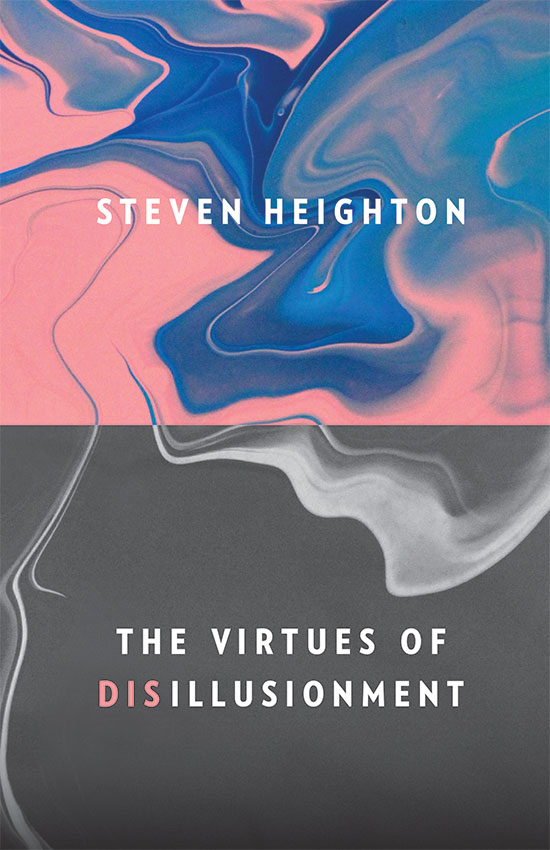
The Virtues of Disillusionment
Steven Heighton
MEMO TO SELF: the best justification for emotional pain is that the path to mature consciousness runs through a gauntlet of sorrow and loss.
All song begins with the blues.
Here too lies one of the best justifications for reading fiction: the reader is allowed, in fact forced, to witness the progressive disillusionment of a protagonist. If a novel or story casts a powerful enough spell, readers are drawn into the experience and half-live it themselves
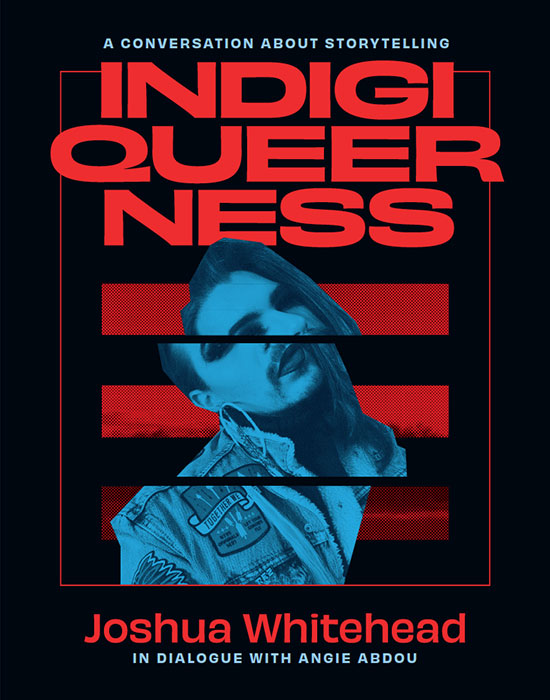
Indigiqueerness: A Conversation about Storytelling
Joshua Whitehead, in dialogue with Angie Abdou
“Academic theory is a type of poetry, but a poetry that is trying too hard to sound like poetry, to the point it becomes obtuse. I try to read theory like poetry (even though academics themselves insist on a hard division between creative and critical work). I take it as my job to eat these theories — eat gender theory and queer theory and decolonial theory and post-colonial theory — and dissolve it all in my belly and spew it onto the page as 88 fiction and poetry and nonfiction. That’s more accessible.”
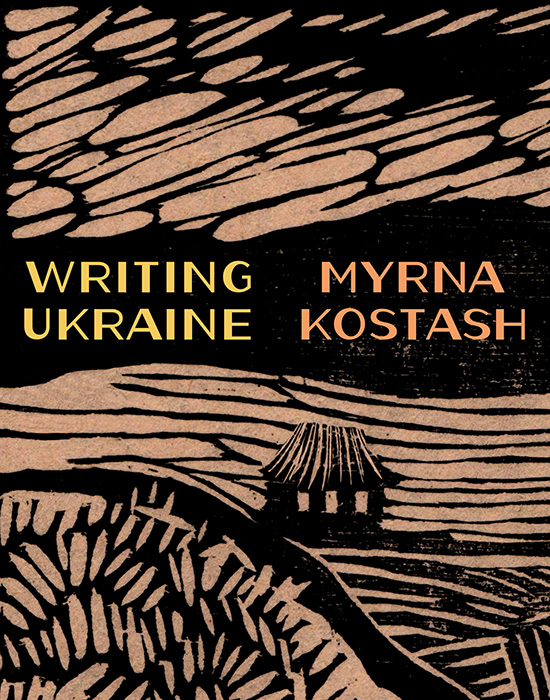
Myrna Kostash
For the visiting Ukrainian Canadian such as myself, I was reminded at every turn that Ukraine is not merely interesting; its entire environment is a disclosure of the subversive meaning of Ukrainian history.
Growing up in Edmonton, this had often made me squirm— the Ukrainian language was not just a form of speech but the genetic memory of an imperilled nation and who was I to study French and Russian instead? But now in 1988 this had become clear: I could draw a line from the exploited, defiant masses of Ukrainian Canadians I had stood in solidarity with (which is how I came to understand what my project was in All of Baba’s Children) to the poets of Ukraine through whom Ukraine had managed to remember itself.
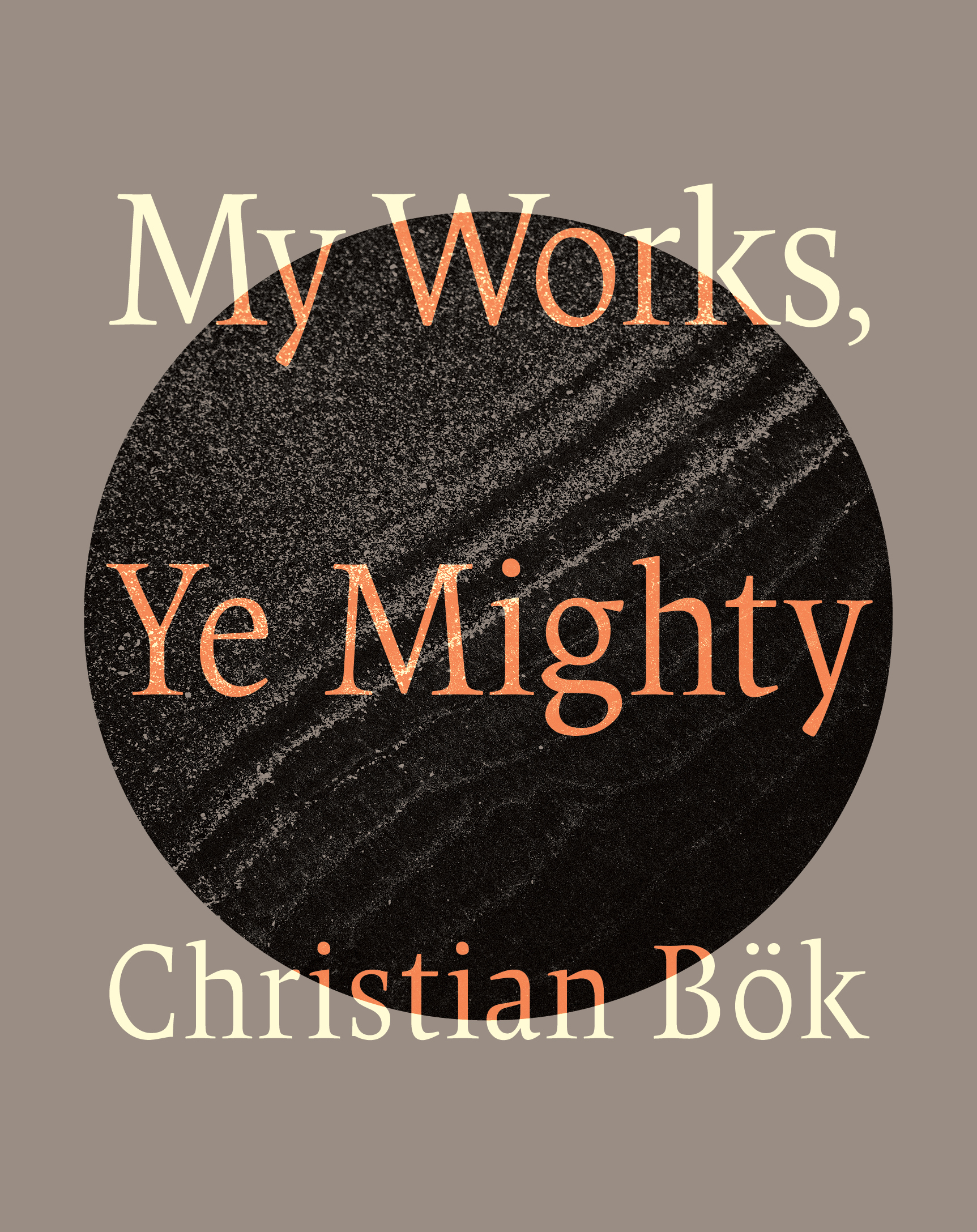
Christian Bök
Consider, for example, the following whimsical speculation about “scale,” knowing that, if marked on paper, and if viewed from an extreme vantage of distance, the period at the far end of this sentence might constitute a point of zero dimension; but as I magnify this dot of punctuation, the period soon becomes a circle, with two dimensions; and as I magnify the period even further, zooming into it, I see that the circle becomes a planar fabric of linear fibres, each of which, from afar, has one dimension; and as I magnify each strand further, I see that, eventually, it becomes a tubule, with three dimensions — leading me to conclude that the period at the far end of this sentence might, in fact, occupy a diverse variety of dimensions, each of which contradicts the others, depending upon the scale at which I might prefer to observe such a tiny mark after this last word.