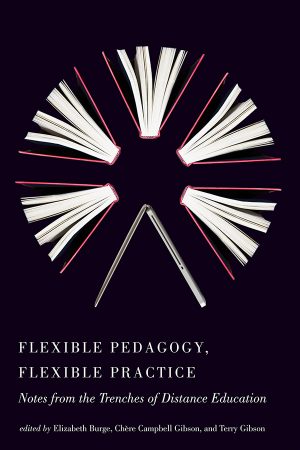
Flexible Pedagogy, Flexible Practice Notes from the Trenches of Distance Education
edited by Elizabeth Burge, Chère Campbell Gibson, and Terry Gibson
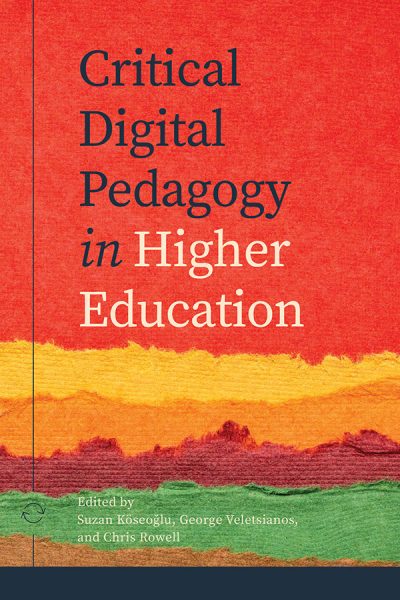
Recent efforts to solve the problems of education—created by neoliberalism in and out of higher education—have centred on the use of technology that promises efficiency, progress tracking, and automation. The editors of this volume argue that using technology in this way reduces learning to a transaction. They ask administrators, instructors, and learning designers to reflect on our relationship with these tools and explore how to cultivate a pedagogy of care in an online environment. With an eye towards identifying different and better possibilities, this collection investigates previously under-examined concepts in the field of digital pedagogy such as shared learning and trust, critical consciousness, change, and hope.
A thoughtful choral guide to pedagogies of care, participatory learning, and anti-oppressive approaches to digital education. Against the current backdrop of artificial intelligence hype and all it portends for education, the book’s framing of a human-centred ethos for the digital era is well timed and worthwhile.”
Bonnie Stewart, University of Toronto Quarterly
A cohesive anthology that critically examines pedagogical practices within digital learning spaces, challenging readers to reflect on their socio-cultural, ethical, and political implications. It presents an intricate blend of critical theory with digital pedagogy and technology, advocating for emancipatory, student-centred learning.”
LeRoy Hill, Journal of Learning for Development
A rich anthology of the affordances of online education and how digital technologies can be used to promote change.”
Chevy van Dorresteijn, Pedagogies
This work is licensed under a Creative Commons License (CC BY-NC-ND 4.0). It may be reproduced for non-commercial purposes, provided that the original author is credited.
edited by Elizabeth Burge, Chère Campbell Gibson, and Terry Gibson
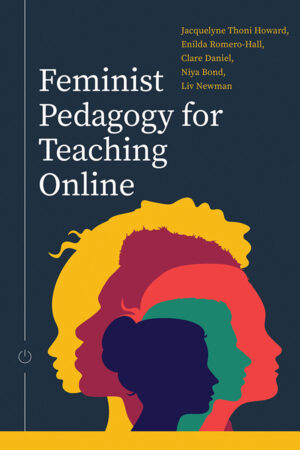
edited by Jacquelyne Thoni Howard, Enilda Romero-Hall, Clare Daniel, Niya Bond, and Liv Newman
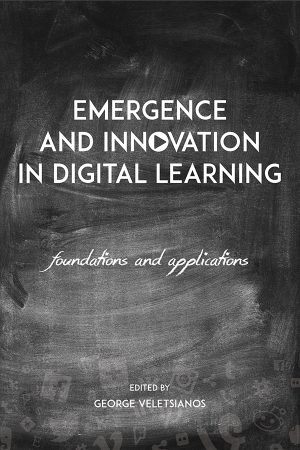
edited by George Veletsianos
Sherri Melrose, Caroline Park, and Beth Perry